How Fast Can You Raise Your Credit Score?
When we begin focusing on our credit, one of the first questions we may ask ourselves is: How fast can I raise my credit score? Whether you're preparing to buy a home, finance a vehicle, qualify for a credit card, or simply strengthen your financial profile, it's natural to want to know how quickly progress can happen. The answer is that credit improvement varies from person to person. Credit scores are influenced by multiple factors, including the information contained in your credit report, your financial habits, and your overall credit history. Because every financial situation is unique, timelines can differ significantly. What remains consistent, however, is that strong credit is typically built through steady financial habits practiced over time. Let's explore what influences credit score growth and how you can focus on meaningful progress.
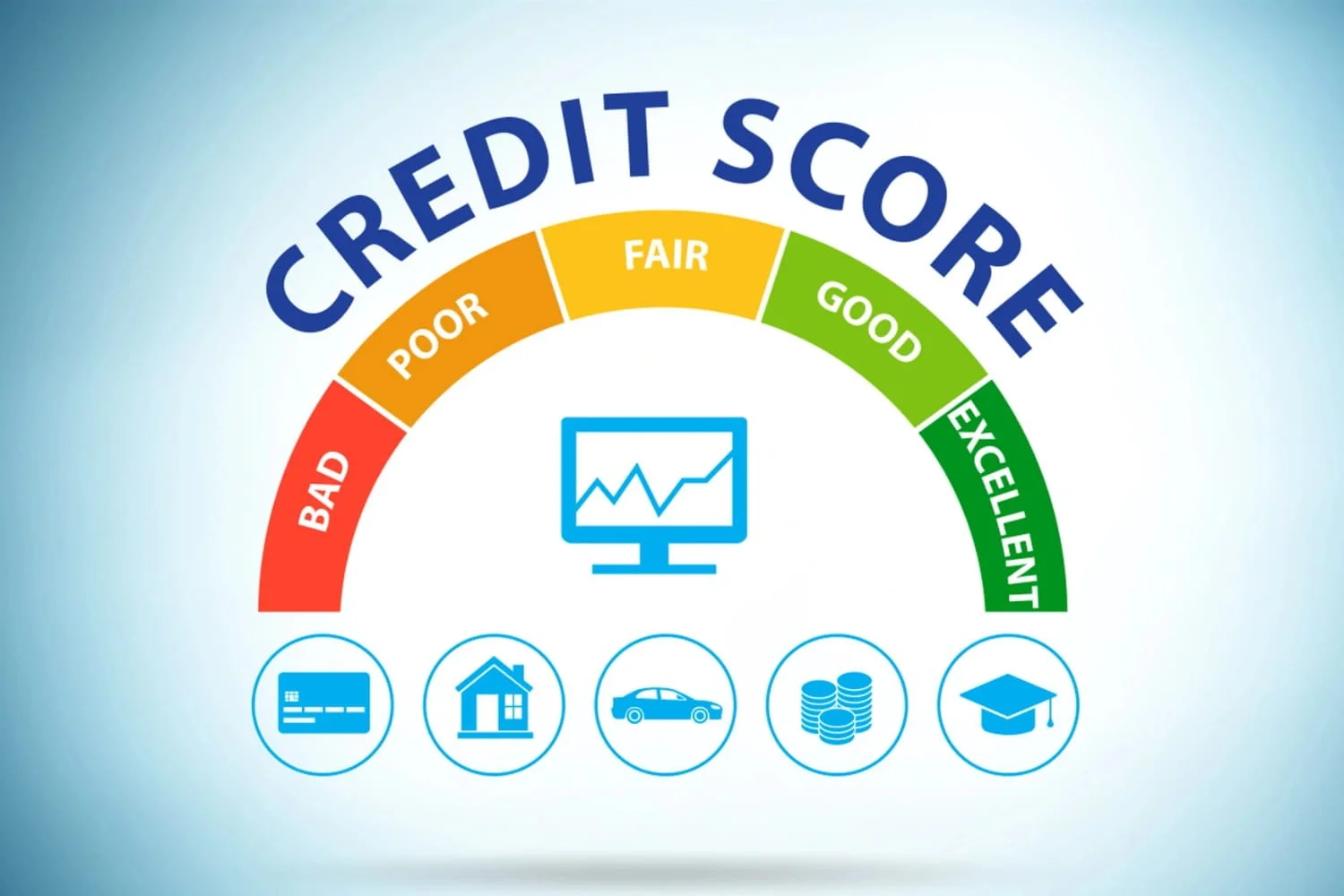
The speed at which a credit score improves varies from person to person, but the principles that support progress tend to remain remarkably consistent.
Understanding How Credit Scores Work
A credit score is a numerical summary of information found in your credit report.
That information may include:
Payment history
Credit utilization
Length of credit history
Types of credit accounts
Recent credit activity
Because these factors are constantly evolving, credit scores can change over time as new information is reported. Each month creates opportunities for positive financial activity to contribute to your credit profile.
Why Credit Improvement Looks Different for Everyone
No two credit histories are exactly alike. Some people are building credit for the first time. Others are strengthening an established credit profile. Still others may be returning their focus to credit after navigating financial challenges.
Factors that may influence credit growth include:
Existing credit history
Current account activity
Payment patterns
Credit utilization
Overall financial habits
This is why comparisons with friends, family members, or online examples are rarely helpful. Your credit journey is unique to your circumstances.
Progress Often Begins with Awareness
Many people start improving their credit simply by becoming more engaged with their finances.
This may include:
Reviewing credit reports
Monitoring account activity
Tracking spending
Following a spending plan
Setting financial goals
Awareness often leads to better decision-making. The more informed you become, the easier it is to identify opportunities for improvement.
Consistent Payments Support Credit Growth
One of the most valuable habits for strengthening a credit profile is making payments consistently. Payment activity becomes part of your credit history and helps create a record of responsible account management.
Many people support this habit through:
Automatic payments
Calendar reminders
Spending plans
Monthly financial reviews
Consistency helps build momentum. Over time, positive payment activity contributes to a stronger overall credit profile.
Credit Utilization Can Influence Progress
Credit utilization refers to how much available revolving credit is currently being used. Understanding this concept helps people become more informed credit card users. Monitoring balances and available credit can provide valuable insight into account management and spending habits. Many individuals find that regularly reviewing account information strengthens both financial awareness and financial confidence.
Be Patient
In a world filled with quick solutions and instant results, patience can feel challenging. Credit history, however, is designed to reflect patterns over time.
Lenders often want to see evidence of:
Consistent account management
Responsible financial behavior
Long-term financial stability
This means that many of the actions that support credit growth are most effective when practiced consistently over months and years. Patience allows those patterns to develop.
Small Improvements Add Up
Financial progress is often built through a series of small actions.
Examples include:
Reviewing statements regularly
Monitoring credit reports
Tracking account balances
Following a spending plan
Staying organized
Each action may seem simple on its own. Together, they can create meaningful momentum over time. Many successful financial journeys are built one step at a time.
Focus on Habits Instead of Timelines
One of the most productive shifts people can make is moving their attention away from specific timelines and toward daily habits. Rather than asking: "How quickly can my score increase?" It can be helpful to ask: "What habits support a stronger credit profile?"
Examples include:
Consistent payments
Financial organization
Spending plans
Monitoring account activity
Ongoing financial education
Habits are often more within your control than timelines. And over time, strong habits frequently lead to positive outcomes.
Educators understand this concept well. Teachers know that meaningful growth rarely happens overnight. Students develop skills through practice, repetition, feedback, and consistency. Financial growth often follows a similar pattern. Building credit is not unlike learning a new subject. Progress accumulates through steady effort and continued learning. Each positive financial decision contributes to future opportunities. For educators, this mindset often feels familiar.
Looking Beyond the Credit Score
While a credit score is an important financial metric, it is only one measure of progress.
Other signs of financial growth may include:
Lower debt balances
Stronger spending plan habits
Increased savings
Better financial organization
Greater financial confidence
These milestones deserve recognition as well. Strong financial habits often improve multiple areas of personal finance simultaneously.
Building a Strong Financial Foundation
Many of the actions that support credit improvement also strengthen overall financial wellness.
Examples include:
Creating a Peace of Mind fund
Managing debt thoughtfully
Tracking spending
Setting financial goals
Continuing financial education
When these habits work together, they create a stronger foundation for long-term success. Credit improvement becomes part of a larger financial journey.
Progress Happens Through Consistency
The speed at which a credit score improves varies from person to person, but the principles that support progress tend to remain remarkably consistent. Awareness, organization, responsible account management, and thoughtful financial habits all contribute to a stronger credit profile over time. While it's natural to wonder how quickly results may appear, lasting credit growth is often the result of steady progress rather than dramatic changes. Every payment, account review, spending plan session, and financial decision contributes to your financial story. By focusing on habits that support long-term success, you can continue building a credit profile that reflects growth, responsibility, and confidence, one step at a time.