How Investing Differs from Saving
Many people use the terms saving and investing as if they mean the same thing. While both involve setting money aside for the future, they serve different purposes and play different roles in a healthy financial plan. Understanding the difference can help you decide where your money belongs and how to balance short-term needs with long-term goals. This is not an either-or decision.
Many people benefit from doing all three:
Saving for short-term needs
Using a high-yield savings account for specific goals and emergency reserves
Investing for long-term wealth building
Each serves a unique purpose.
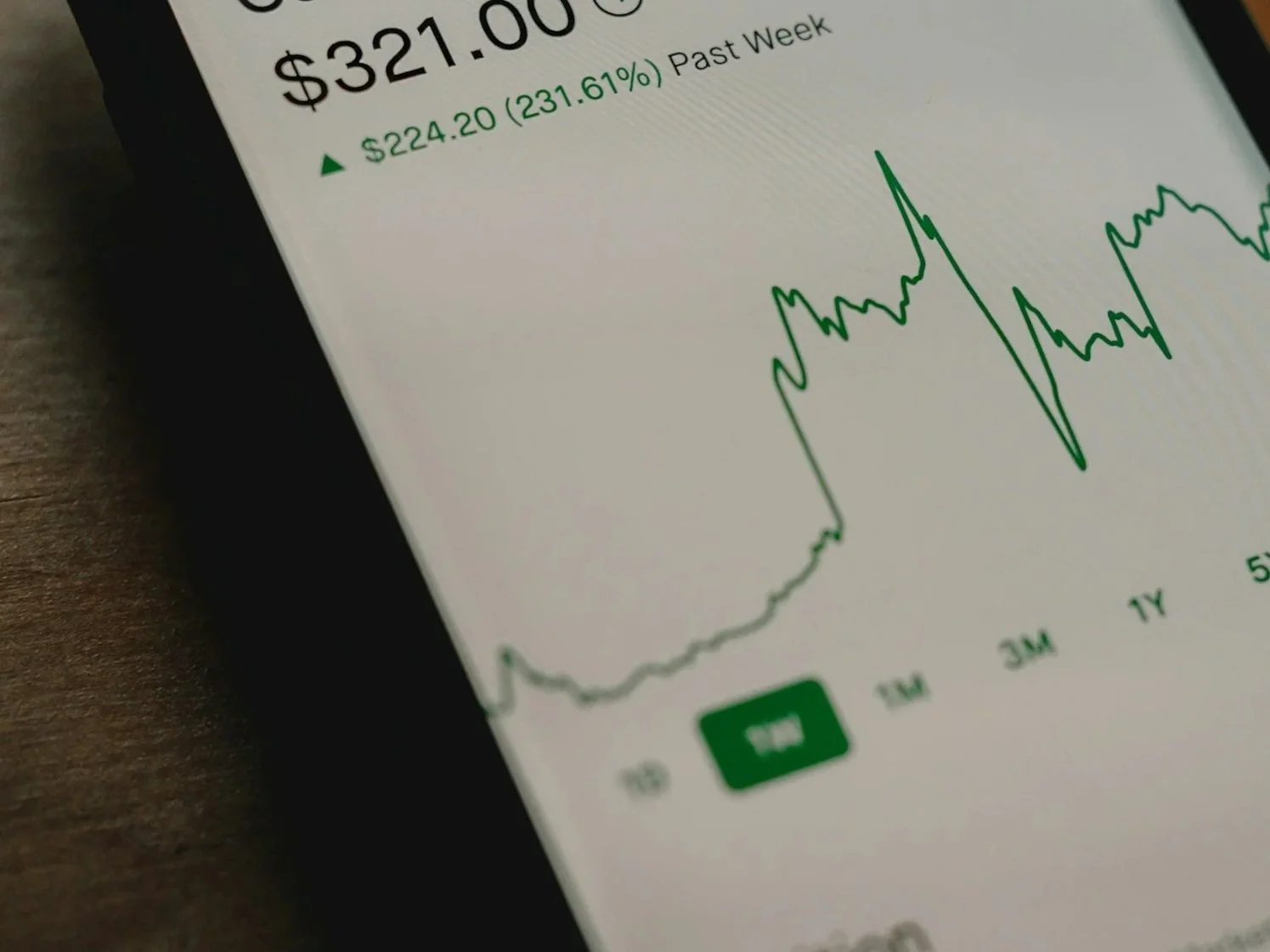
When used together, saving and investing can create a stronger financial foundation than any one of them could provide alone.
What Is Saving?
Saving involves setting money aside for future use while keeping it relatively accessible.
Many people use savings for:
Emergency expenses
Home repairs
Vehicle repairs
Vacations
Holidays
Large purchases
Short-term financial goals
Traditional savings accounts prioritize safety and accessibility. The goal is generally to preserve your money rather than generate significant growth. Because savings accounts are designed to be stable and liquid, they typically experience little or no risk of losing value.
What Is a High-Yield Savings Account?
A high-yield savings account (HYSA) is still a savings account, but it generally pays a higher interest rate than a traditional savings account. This allows your money to grow faster while remaining relatively accessible.
Many people use HYSAs for:
Peace of Mind Funds
Down payment savings
Travel funds
Holiday funds
Large upcoming expenses
A HYSA can be a useful middle ground between a traditional savings account and investing. While it typically does not offer the long-term growth potential of investing, it may provide higher returns than a standard savings account while maintaining easy access to your money.
If you're considering opening a high-yield savings account, Ally Bank is one option to consider. It offers competitive rates, no monthly maintenance fees, and a user-friendly online banking experience. If you decide to open an eligible account using the referral link and complete the required qualifications, you can also receive a $100 bonus. Disclosure: At no additional cost to you, HealthWealth may receive a referral bonus if you open an eligible account through this referral link and meet the promotional requirements.
What Is Investing?
Investing involves purchasing assets with the expectation that they will grow in value over time.
Examples include:
Stocks
ETFs
Index funds
Mutual funds
Bonds
Unlike savings accounts, investments are not designed primarily for short-term access. Investments fluctuate in value. Some years may produce gains. Other years may produce losses. The goal is long-term growth rather than short-term stability.
Investing allows your money to participate in market growth, compounding, dividends, and long-term appreciation because investing involves risk, it is generally best suited for goals that are years or decades away.
Saving Prioritizes Stability
When you save money, your primary objective is often safety. For example, if your vehicle needs repairs next month or your roof needs replacement next year, you probably do not want that money exposed to stock market fluctuations.
Savings accounts provide:
Stability
Accessibility
Predictability
This makes them well suited for short-term needs and emergency reserves.
Investing Prioritizes Growth
Investing has a different objective. Rather than prioritizing stability, investing focuses on growth over time. Investors accept some degree of market fluctuation because they are seeking greater long-term returns. Historically, long-term investing has provided opportunities for growth that often exceed what traditional savings accounts can offer, although past performance never guarantees future results. This growth potential is one reason investing plays such an important role in building long-term wealth.
Why Inflation Matters
One challenge with holding all of your money in savings is inflation. Inflation refers to the gradual increase in the cost of goods and services over time. As prices rise, the purchasing power of money can decline.
For example:
A dollar today may not buy the same amount in the future.
Expenses generally increase over time.
Retirement may become more expensive over several decades.
Investing can help address this challenge by providing the potential for growth that may outpace inflation over long periods.
You Do Not Have to Choose One or the Other
One of the most common misconceptions is that people must choose between saving and investing. In reality, many financially healthy households use both.
For example:
Traditional Savings
Used for:
Everyday emergencies
Immediate access to cash
Short-term needs
High-Yield Savings Account
Used for:
Peace of Mind Funds
Planned future expenses
Medium-term goals
Investments
Used for:
Retirement
Long-term wealth building
Financial independence
Legacy planning
Each category serves a different purpose.
A Practical Example
Imagine an educator receives a tax refund, stipend, or bonus.
Instead of placing all of the money into a single account, they might choose to:
Add some to a traditional savings account
Add some to a high-yield savings account
Invest some for long-term goals
This approach creates balance between accessibility, security, and growth.
Educators Often Benefit From All Three
Many educators face financial realities that require flexibility.
Examples may include:
Summer expenses
Classroom purchases
Professional development
Certification renewals
Family responsibilities
Retirement planning
Because of these realities, educators often benefit from having money allocated across multiple purposes rather than relying on a single account. Having accessible cash reserves, dedicated savings goals, and long-term investments can create greater financial confidence and flexibility.
The Right Tool for the Right Goal
One way to think about saving and investing is to view them as different tools. You would not use a hammer for every project. Likewise, you would not use a single financial account for every goal. Savings accounts, high-yield savings accounts, and investments each have strengths. The key is matching the right tool to the right purpose.
Building a Balanced Financial Foundation
Saving and investing are not competitors. They are partners. Savings help protect you from life's surprises. High-yield savings accounts can help your short- and medium-term goals grow while remaining accessible. Investing helps build long-term wealth, financial independence, and future opportunities. When used together, these tools can create a stronger financial foundation than any one of them could provide alone. The objective is not choosing between saving and investing. The objective is understanding when each tool works best and using them together to support the future you want to build.