How Lifestyle Inflation Can Affect Your Finances
Receiving a raise, earning a promotion, completing an advanced degree, or taking on additional responsibilities can be exciting milestones. After years of hard work, it is natural to want to enjoy the benefits of increased income. The challenge is that higher income does not always lead to greater financial progress. In many cases, spending increases right alongside earnings. This phenomenon is known as lifestyle inflation.
Lifestyle inflation occurs when spending rises as income rises. While some increases in spending may be intentional and worthwhile, unchecked lifestyle inflation can make it difficult to build savings, invest for the future, or achieve long-term financial goals. Understanding how lifestyle inflation works can help you enjoy the rewards of your hard work while continuing to strengthen your financial foundation.
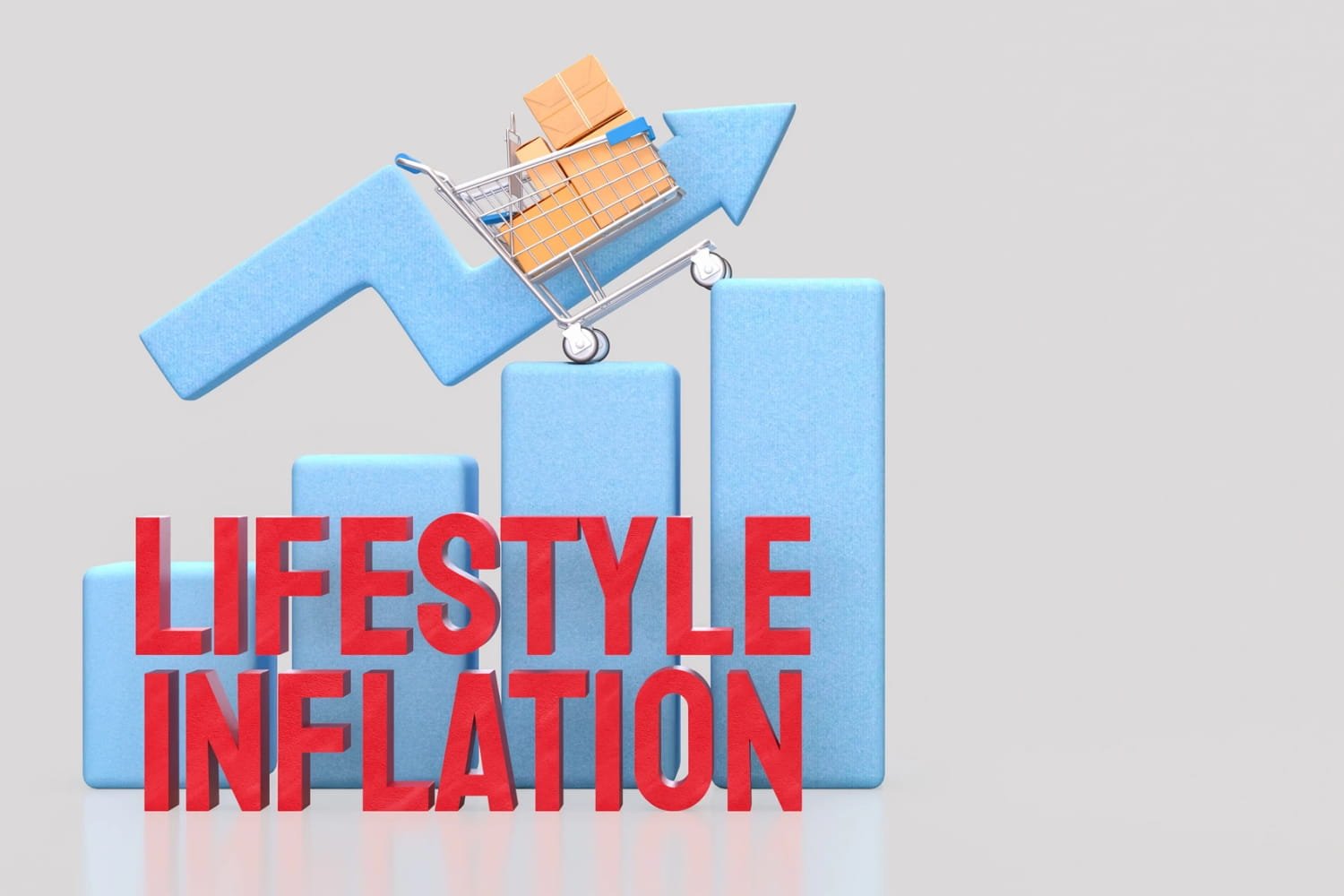
Lifestyle inflation happens when increased income leads to increased spending.
What Is Lifestyle Inflation?
Lifestyle inflation happens when increased income leads to increased spending.
For example:
A raise leads to more dining out.
A promotion leads to a more expensive vehicle.
A salary increase results in additional subscriptions and memberships.
Extra income is spent immediately rather than saved or invested.
None of these choices are automatically wrong. The issue arises when spending grows so quickly that little financial progress is made despite earning more money.
Why Lifestyle Inflation Happens
Lifestyle inflation is incredibly common. As income grows, people often feel they have earned the right to upgrade certain aspects of their lives. That reaction is understandable. After all, one purpose of earning more money is to improve quality of life.
Common reasons lifestyle inflation occurs include:
Increased comfort with spending
Social influences
Marketing and advertising
Convenience purchases
Rewarding yourself after achieving a goal
Gradually becoming accustomed to higher spending levels
Most lifestyle inflation happens slowly rather than all at once. Because the changes are gradual, they often go unnoticed.
Lifestyle Inflation Is Not Always Negative
It is important to recognize that not all lifestyle inflation is bad. Sometimes spending more improves your quality of life in meaningful ways.
Examples include:
Moving to a safer neighborhood
Investing in professional development
Paying for childcare
Improving healthcare options
Taking a family vacation
Pursuing hobbies and interests
The goal is not to avoid spending more forever. The goal is to ensure spending decisions are intentional rather than automatic.
Educators May Experience Lifestyle Inflation Differently
For educators, lifestyle inflation may not always look like luxury spending.
It may appear as:
Increased classroom spending
Additional professional memberships
More conference attendance
Advanced degree expenses
Upgraded technology for work
Greater spending on students and school activities
Many of these expenses can provide real value. However, they can also absorb income increases if they are not planned carefully. A salary increase should support your own financial well-being in addition to supporting your students and professional goals.
Watch What Happens After a Raise
Raises are one of the most common triggers for lifestyle inflation. When income increases, consider pausing before immediately increasing spending.
Ask yourself:
How much of this raise would I like to save?
Should a portion go toward retirement?
Could some of it strengthen my Peace of Mind Fund?
Are there financial goals I want to prioritize?
Even directing a portion of a raise toward savings can have a significant impact over time.
Stipends and Extra Income Matter Too
Lifestyle inflation is not limited to salary increases. It can also occur when additional income becomes part of your routine. Examples include coaching stipends, tutoring income, summer school pay, curriculum-writing stipends, department chair stipends, and side projects. Because this income may feel "extra," it can be tempting to spend all of it immediately.
A balanced approach might involve:
Saving a portion
Investing a portion
Enjoying a portion
This allows you to benefit from the additional income while still supporting long-term goals.
Avoid Upgrading Everything at Once
When income increases, there can be pressure to upgrade multiple areas of life simultaneously.
Examples include:
A new vehicle
New technology
More dining out
Additional subscriptions
Higher discretionary spending
Making several upgrades at once can make it difficult to recognize how much spending has increased. A more intentional approach is to evaluate changes one at a time and determine which upgrades truly add value.
Keep Your Financial Goals Visible
One of the best ways to manage lifestyle inflation is to stay connected to your goals.
Examples include:
Building a Peace of Mind Fund
Saving for travel
Paying off debt
Continuing your education
Investing for retirement
Purchasing a home
When goals remain visible, it becomes easier to make spending decisions that support both present enjoyment and future opportunities.
Create a Plan for Future Income Increases
Rather than waiting for raises or extra income to arrive, consider deciding in advance how you will use them.
For example:
50% toward savings and investing
25% toward financial goals
25% toward enjoyment and lifestyle improvements
The benefit comes from having a plan before the money arrives.
Making Income Growth Work for You
Financial planning is not about denying yourself the rewards of hard work. If your income increases, it is reasonable to enjoy some of that progress. The key is maintaining balance. You can celebrate achievements, improve your lifestyle, and enjoy meaningful experiences while still making progress toward your financial goals. Those goals do not have to compete with one another.
Lifestyle inflation becomes a problem only when spending increases automatically and without intention. When income grows, you have an opportunity to make deliberate choices about where that money goes. By directing some income toward savings, investing, future goals, and experiences that truly matter, you can enjoy the benefits of your success while continuing to build long-term financial confidence. The most powerful income increases are not always the ones that allow you to spend more. Often, they are the ones that create greater flexibility, more opportunities, and a stronger financial future.