How to Improve Your Credit Score Over Time
You may be one of many people who would like to improve their credit score. Perhaps you're preparing to buy a home, finance a vehicle, qualify for a new credit card, or simply strengthen your overall financial health. Whatever the motivation, improving your credit score is a goal that can support greater financial flexibility and confidence. One of the most important things to understand is that credit improvement is usually a gradual process. Just as a garden grows through regular care and attention, a credit score often reflects financial habits practiced consistently over time. The encouraging part is that many of the actions that support a stronger credit score are also habits that contribute to overall financial wellness. Let's explore practical strategies that can help strengthen your credit profile and support long-term financial success.
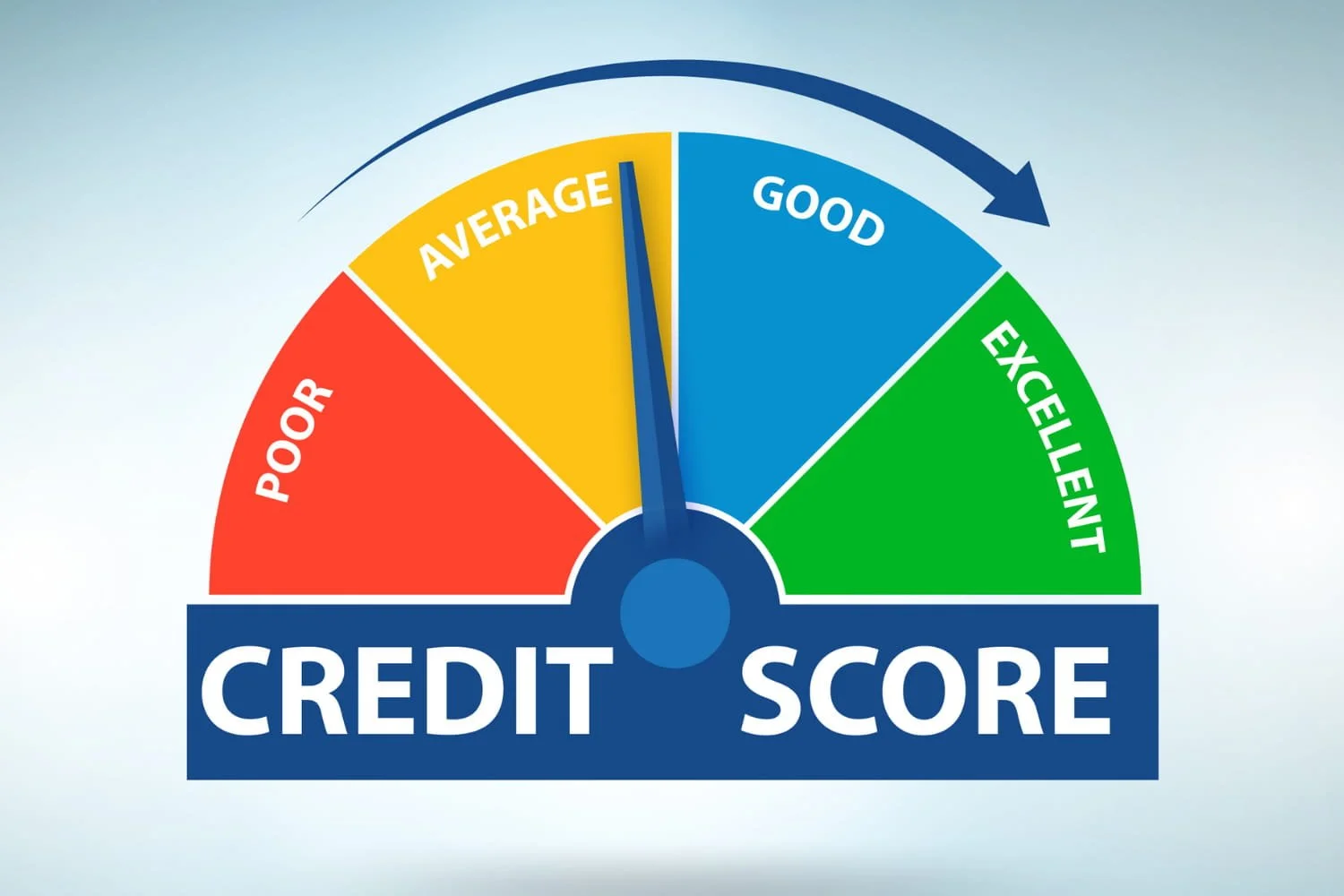
Improving your credit score is about creating habits that support lasting financial health.
Understand What Influences Your Credit Score
Before working to improve a credit score, it helps to understand the factors that contribute to it.
Credit scoring models often consider areas such as:
Payment history
Credit utilization
Length of credit history
Types of credit accounts
Recent credit activity
Understanding these components provides valuable context and helps you focus your efforts where they can have the greatest impact. Financial awareness is often the first step toward financial progress.
Review Your Credit Report
Your credit report provides information that helps shape your credit score.
Taking time to review your report allows you to:
Verify account information
Monitor payment history
Review account balances
Check credit inquiries
Confirm personal information
Regular reviews can also help identify inaccuracies that may deserve attention. Many people find that becoming familiar with their credit report helps them feel more confident and informed about their finances.
Focus on Consistent Payments
Payment history is one of the most important aspects of a healthy credit profile. Each payment contributes to the record lenders may review when evaluating credit applications. Creating systems that support consistency can be extremely helpful.
Examples include:
Automatic payments
Calendar reminders
Spending plans
Monthly account reviews
The specific method matters less than creating a routine that works for your lifestyle. Consistency often becomes one of the strongest contributors to long-term credit improvement.
Monitor Credit Card Balances
Credit cards can be valuable financial tools when managed thoughtfully. Regularly reviewing balances helps you stay connected to your account activity and overall credit picture.
Many people make it a habit to:
Check balances regularly
Review monthly statements
Monitor available credit
Track spending patterns
These habits encourage awareness and help support informed financial decision-making.
Build Strong Financial Organization
Credit improvement often goes hand in hand with financial organization. Simple systems can help create greater clarity and confidence.
Examples include:
Maintaining a spending plan
Tracking recurring bills
Organizing financial documents
Scheduling regular financial reviews
Organization reduces surprises and makes it easier to stay engaged with your financial goals. Many educators already rely on planning and organization in their professional lives. Those same skills can be incredibly valuable in personal finance.
Give Credit History Time to Grow
Credit history develops over time. As accounts mature and positive information accumulates, your credit profile gains additional depth and context. This is one reason patience plays an important role in the credit-building process. Each month of positive account management contributes to the larger financial story reflected in your credit report. Progress may unfold gradually, but steady habits often create meaningful results.
Use Credit Thoughtfully
Credit can support financial goals when used intentionally.
Thoughtful credit management may involve:
Understanding account terms
Monitoring account activity
Aligning borrowing decisions with financial priorities
Reviewing statements regularly
Financial confidence often comes from understanding how your accounts work and how they fit into your broader financial plan. The more informed you are, the easier it becomes to make decisions that support your goals.
Track Your Progress
Improving a credit score is often easier when progress is visible.
Periodic reviews can help you:
Monitor changes over time
Stay motivated
Celebrate milestones
Identify areas for continued growth
Many financial institutions provide free access to credit scores through online banking platforms and mobile apps. Monitoring progress creates opportunities to recognize the positive habits contributing to your results.
Strengthen Your Overall Financial Foundation
A healthy credit score is often the result of broader financial wellness. Many of the same habits that support credit improvement also support other important goals.
Examples include:
Building savings
Managing debt responsibly
Following a spending plan
Preparing for future expenses
Maintaining financial awareness
When these habits work together, they create a stronger overall financial foundation. Credit improvement becomes one part of a larger strategy for financial success.
Why Small Habits Make A Difference
One of the most powerful lessons in personal finance is that small actions can create meaningful results over time.
Examples include:
Reviewing accounts monthly
Staying aware of due dates
Tracking expenses
Monitoring credit reports
Following a spending plan
None of these actions require dramatic changes. Their value comes from consistency. When practiced regularly, small habits often become the building blocks of larger financial achievements.
Common Questions About Improving Credit
How Quickly Can a Credit Score Improve? Every situation is unique. Credit scores reflect information contained in a credit report, and progress often depends on individual circumstances and financial activity. Focusing on healthy financial habits creates the strongest foundation for long-term improvement.
Should I Check My Credit Score Regularly? Many people find that periodic monitoring helps them stay informed and track progress. Checking your own credit score can be a useful part of a broader financial review routine.
Is Improving Credit Only About Credit Cards? Credit cards are one component of a credit profile, but credit scores are influenced by a variety of factors. Looking at your overall financial picture often provides the most helpful perspective.
Progress Builds Momentum
Improving your credit score is about creating habits that support lasting financial health. Each payment, account review, spending planning session, and financial decision contributes to the bigger picture. Over time, those efforts can strengthen your credit profile, increase financial confidence, and create opportunities that support your future goals. Credit improvement is ultimately a reflection of consistent financial habits. By staying informed, organized, and focused on long-term progress, you can continue building a credit profile that supports the life you want to create.