Investing for Beginners: Where Do You Start?
For many of us, investing feels intimidating. The financial world is filled with unfamiliar terminology, conflicting advice, market predictions, television personalities, social media influencers, and self-proclaimed experts who often make investing seem far more complicated than it needs to be. As a result, many people delay getting started.
They tell themselves:
"I don't know enough yet."
"I don't have enough money."
"I'll start when I earn more."
"Investing is too risky."
"I'm not good with money."
These concerns are common, but they often prevent people from taking advantage of one of the most powerful wealth-building tools available: time. The truth is that investing is not reserved for wealthy individuals, finance professionals, or people with advanced degrees in economics. Investing is simply the process of putting money to work with the goal of growing it over time. For most people, the hardest part is not choosing investments. The hardest part is getting started.
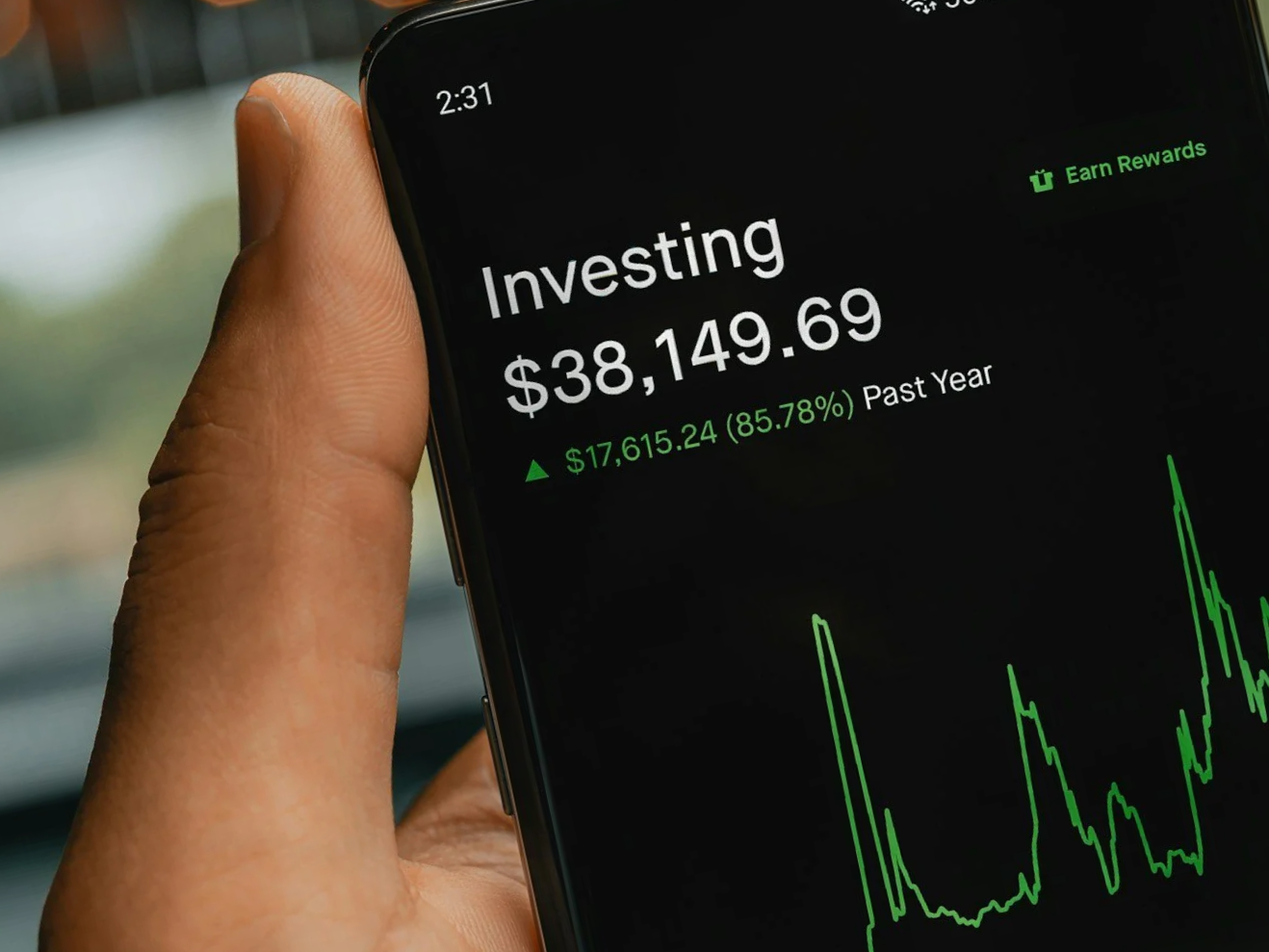
Investing is simply the process of putting money to work with the goal of growing it over time.
Why Investing Matters
Saving money is important. However, savings accounts are designed primarily for short-term needs, emergency expenses, and financial flexibility. Investing serves a different purpose.
Investing allows your money to grow over time through:
Market growth
Compounding
Reinvested earnings
Long-term participation in the economy
Without investing, it can become much more difficult to build long-term wealth, prepare for retirement, or achieve larger financial goals. This is one reason many financial educators encourage people to begin investing as early as possible. Time is often one of the most valuable assets an investor has.
You Do Not Need to Be Rich to Start
One of the biggest misconceptions about investing is that it requires a large amount of money.
Many people assume they need thousands of dollars, a financial advisor, specialized knowledge, or a large salary. In reality, many investment accounts can be opened with relatively small amounts of money. The most important factor is often consistency rather than the size of your initial contribution.
Starting with $10 per month, $25 per month, or $50 per month may not seem significant today, but regular investing can create meaningful growth over time.
Educators Already Have Skills That Support Investing
Many teachers, school leaders, and education professionals already possess qualities that can support successful investing.
These include:
Patience
Long-term thinking
Planning
Consistency
Delayed gratification
Educators spend their careers investing time and energy into outcomes that may not be visible immediately. Investing works in a similar way. Results often develop gradually before becoming more noticeable over longer periods of time.
Investing Is Not About Getting Rich Quickly
Unfortunately, many investing messages focus on:
Fast profits
Market predictions
"Hot" stock picks
Overnight success stories
These messages can create unrealistic expectations. Long-term investing is typically much less exciting.
For many people, successful investing involves:
Investing consistently
Staying invested
Ignoring short-term market noise
Allowing time to work in your favor
Building wealth is usually a marathon rather than a sprint.
Beware of Fear-Based Financial Advice
Not all financial advice is created equal. Some financial personalities build their platforms around fear, shame, stereotypes, or one-size-fits-all solutions. Others may dismiss the experiences of women, classroom teachers, people of color, caregivers, other underrepresented groups, or people navigating unique financial challenges.
Good financial education should help you feel:
Informed
Empowered
Capable
Confident
It should not make you feel embarrassed about where you are starting.
Look for educators and financial professionals who:
Respect diverse life experiences
Explain concepts clearly
Encourage critical thinking
Focus on long-term decision-making
Avoid making unrealistic promises
The goal is to learn enough to make informed decisions for yourself.
What Are You Actually Buying?
When people hear the word "investing," they often think about buying stocks. A stock represents ownership in a company. When you purchase shares, you become a shareholder and participate in the company's growth and performance.
There are also many other types of investments, including:
Stocks
Bonds
Mutual funds
Index funds
Exchange-traded funds (ETFs)
Target-date funds
As a beginner, you do not need to master every investment type immediately. Learning the basics is often enough to get started.
You Do Not Need to Pick Winning Stocks
One reason people avoid investing is that they believe they must identify the next great company before everyone else. In reality, many experienced investors recommend a much simpler approach. Rather than trying to predict which individual companies will succeed, many investors choose diversified investments that hold hundreds or even thousands of companies. Warren Buffett has famously encouraged most people to consider low-cost index funds that track broad segments of the market. This approach can reduce risk while keeping investing relatively simple.
Diversification Matters
Imagine putting every dollar you own into a single company. If that company struggles, your financial future could be affected as well. Diversification means spreading investments across many companies, industries, and sectors rather than relying on one investment. Diversification helps reduce risk and is one reason many beginners start with broad market funds rather than individual stocks.
Time in the Market Matters More Than Timing the Market
Many people worry about investing at the "wrong" time.
They wait for:
The perfect market conditions
Lower prices
Economic certainty
Better news
The challenge is that no one consistently knows when those moments will occur. One of the most important lessons for new investors is that investing is generally not about perfectly timing the market. It is about spending time in the market and allowing long-term growth to work over many years. Waiting for perfect conditions can sometimes mean never getting started.
Start With Accounts You Already Have Access To
Many educators already have access to investment opportunities through their employers.
Examples may include:
401(k) plans
403(b) plans
457 plans
Pension systems
Learning about the retirement benefits available through your employer can be an excellent first step. Understanding what is already available may simplify the process considerably.
If your employer offers retirement benefits, take advantage of them as early as possible in your career. The sooner you begin contributing, the more time your money has to grow through compounding. Even small contributions made consistently over many years can have a significant impact on your future financial security.
Many employees delay enrolling because retirement feels far away, because they believe they need to contribute large amounts to make a difference, or because no one has ever clearly explained the importance of getting started early.
Retirement accounts are among the most effective long-term wealth-building tools available to many workers. Consistent contributions, combined with years of growth, can help create greater financial security and flexibility later in life.
Getting started is often more important than waiting for the perfect time or the perfect amount. Building the habit early can be one of the most valuable financial decisions you make.
Consistency Often Matters More Than Amount
One of the most encouraging aspects of investing is that progress does not require perfection. Successful investors are not necessarily the people who contribute the most money all at once.
Often, they are the people who:
Invest regularly
Continue during market ups and downs
Stay focused on long-term goals
Allow compounding to work over time
Small contributions made consistently can become surprisingly powerful over the course of decades.
Start Before You Feel Ready
Many people wait until they feel completely prepared before investing. The reality is that most investors learn as they go. You do not need to know everything before taking your first step. You simply need enough knowledge to begin responsibly. Investing is not about perfection. It is about participation. The sooner you begin learning, contributing, and building experience, the more time your money has to grow.
Building Wealth One Step at a Time
Investing can seem overwhelming at first, but it becomes much more manageable when you focus on the fundamentals. You do not need to predict the market, find the next big stock, or become a financial expert overnight. What you need is a willingness to learn, a long-term perspective, and the consistency to keep moving forward. For many people, wealth is not built through dramatic financial decisions. It is built through steady habits repeated over many years. The first investment decision you make may not be perfect, but getting started is often far more important than waiting for the perfect moment.