How Do You Batch Cook Low-Carb Meals That Actually Store Well in the Refrigerator?
Batch Cooking Made Easy with Low-Carb Recipes
Batch cooking is one of the best strategies for saving time, money, and stress while maintaining a low-carb lifestyle. By preparing larger quantities of meals at once and refrigerating them for the week, you’ll always have healthy options ready to go, even on your busiest days. The best part? You don’t have to spend all day in the kitchen. A couple of hours once or twice a week is often enough.
While freezing can be helpful for long-term storage, refrigerating batch-cooked meals is often the most practical option for everyday low-carb meal prep, helping meals stay fresh, flavorful, and ready to eat.
1. Choose the Right Recipes
Not all meals store equally well, so start with dishes that reheat easily and maintain their texture over several days. Soups, stews, casseroles, meatballs, and stir-fries are excellent choices because they hold up well when refrigerated. Egg-based dishes like frittatas also store surprisingly well when portioned and kept chilled.
Example Ideas: Low-carb chili, zucchini lasagna, chicken stir-fry with cauliflower rice, or turkey meatballs with marinara.
2. Portion Meals for the Week
Divide meals into single or family-size portions before refrigerating. This makes it easy to grab exactly what you need for lunches or dinners throughout the week without repeatedly reheating large batches.
Getting Started Tip: Glass containers with compartments work especially well for portioning proteins and vegetables while keeping everything fresh and organized.
3. Use Proper Storage Containers
Invest in airtight, refrigerator-safe containers to help meals stay fresh and prevent odors from transferring. Glass containers with locking lids are reusable, eco-friendly, and stack neatly in the fridge. Always label each container with the meal name and prep date to keep track of freshness.
Organization Tip: Use masking tape or reusable labels and include reheating instructions right on the container for easy weekday meals.
4. Cool Before Refrigerating
Allow meals to cool completely before placing them in the refrigerator. Storing hot food can create condensation, which may affect texture and shorten shelf life.
Practical Tip: Spread casseroles or stir-fries out in shallow containers to speed up cooling before sealing and storing.
5. Reheat Gently for Best Results
For the best flavor and texture, reheat meals slowly and evenly. Soups and stews reheat well on the stovetop, while casseroles and meat dishes are best warmed in the oven or air fryer. If using the microwave, reheating at a lower power helps prevent drying out.
6. Rotate Your Meals Throughout the Week
Keep track of what you’ve prepared and aim to use meals within three to five days for best quality. Rotating meals ensures nothing gets forgotten and helps maintain variety throughout the week.
Simple Trick: Plan which meals you’ll eat earlier in the week versus later so everything stays fresh and enjoyable.
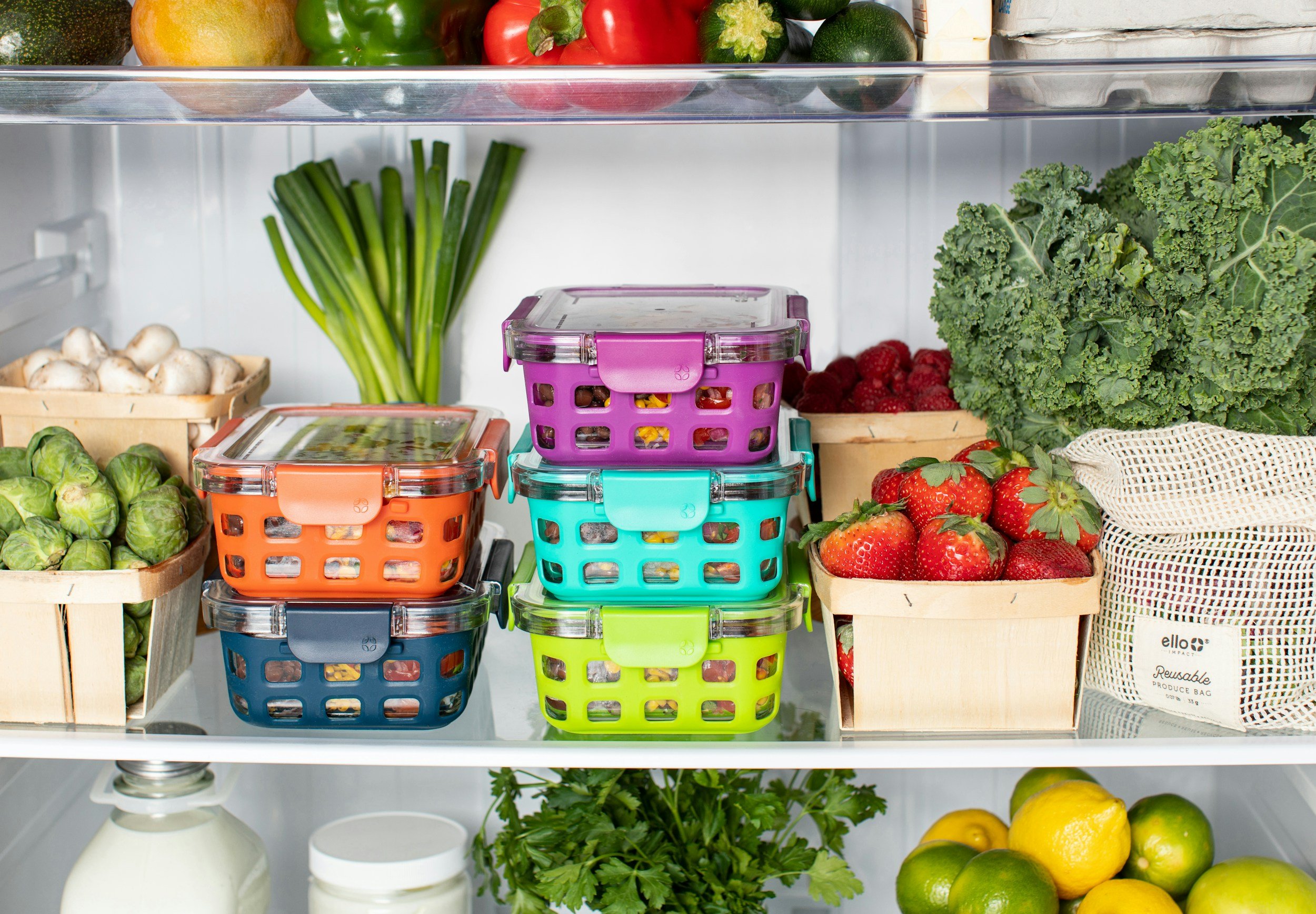
Batch-prepped meals save time and keep your low-carb lifestyle simple and stress-free.
Batch cooking doesn’t have to mean cooking for hours or filling your freezer with meals you forget about. Starting with one or two refrigerator-friendly recipes each week can dramatically simplify low-carb eating. With soups, casseroles, and protein-forward dishes ready to go, you’ll save time, reduce stress, and make balanced eating feel effortless. Over time, batch cooking becomes less of a task and more of a lifestyle habit that supports consistency and confidence in the kitchen.